When to visit Japan for cherry blossoms, fall foliage, skiing, and summer festivals. Month-by-month breakdown with costs and crowd levels.
Spring (March–May): Cherry Blossoms and Mild Weather
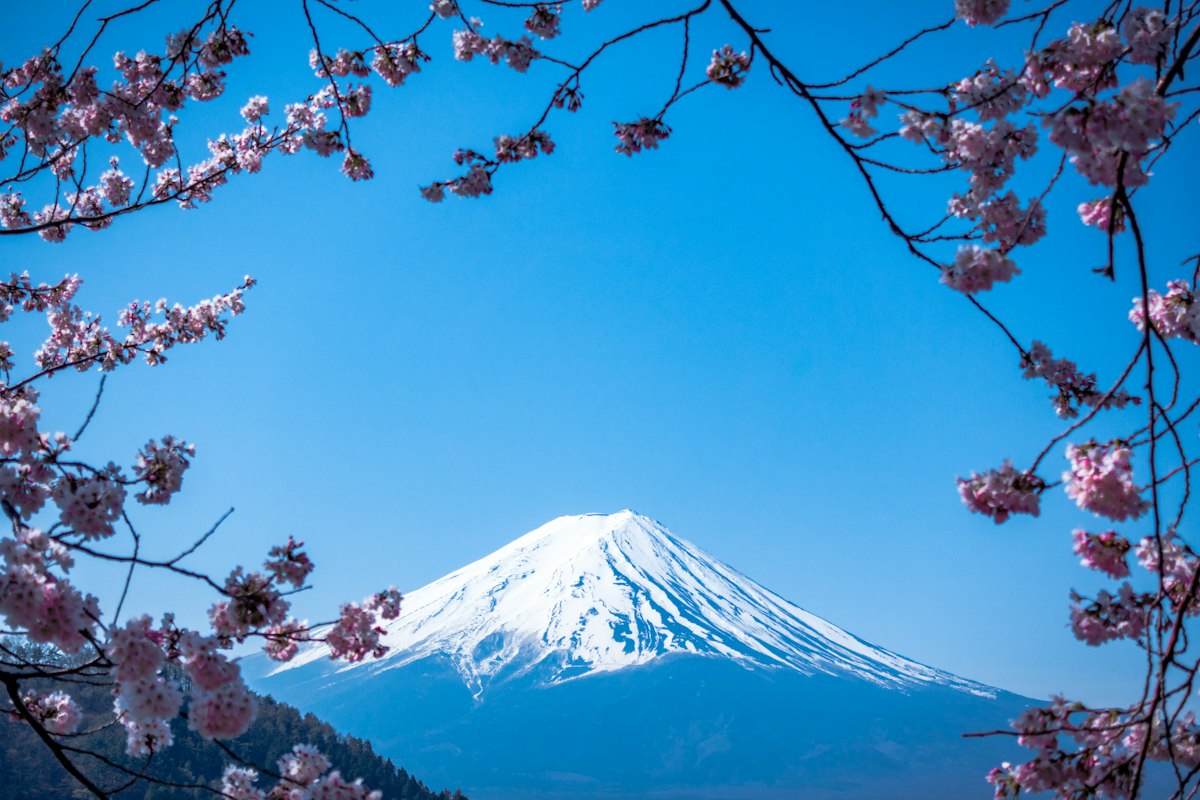
Spring is Japan's peak season. Cherry blossom (sakura) season runs late March through mid-April — Tokyo typically peaks around March 25–April 5, Kyoto a few days later, around April 1–10. These dates shift by a week depending on the year; the Japan Meteorological Corporation publishes forecasts from January onward.
Crowds are heavy and prices climb 20–40% above average. Book accommodation 4–6 months ahead for this window. Outside the blossom peak — early March and May — the weather is comfortable (10–20°C), crowds thin considerably, and prices normalize. May is one of the best months overall: warm, dry, and green.
Summer (June–August): Festivals, Heat, and Rain
June is rainy season (tsuyu) across most of Honshu — expect humidity and overcast skies for 3–4 weeks. It ends around mid-July. Late July and August are hot (30–36°C in Tokyo and Kyoto), humid, and packed with festivals: Gion Matsuri fills central Kyoto throughout July, culminating in two major processions on July 17 and July 24. Awa Odori (Tokushima, mid-August) and Nebuta Matsuri (Aomori, first week of August) are worth the trip north.
Budget travelers benefit from summer: international visitor numbers dip due to heat, and some accommodations price down. Hokkaido is the exception — summers are cool (20–25°C) and lavender blooms in Furano around late June to late July. If you're heading there, summer is ideal.
Autumn (September–November): Fall Foliage Season
Autumn rivals spring for beauty. Foliage (koyo) starts in Hokkaido in late September and moves south through November. In Tokyo and Kyoto, peak color typically falls in late November — Arashiyama, Tofuku-ji, and Nikko are the headline spots.
September is hot and typhoon-prone (most storms make landfall August–October). October is the sweet spot: foliage is starting, the heat is gone, and typhoon risk drops sharply after mid-month. Temperatures sit at 15–22°C — comfortable for walking. Crowds build through November as koyo peaks, but they're lighter than cherry blossom season.
Winter (December–February): Skiing, Snow Festivals, and Fewer Crowds
Winter is Japan's low season for foreign tourism — meaning lower prices, shorter queues, and easier bookings. Tokyo winters are dry and mild (3–10°C); Kyoto gets occasional snow and looks spectacular under a white dusting.
Hokkaido transforms into a ski destination. Niseko — roughly 2 hours from Sapporo — consistently gets 15+ meters of powder per season, drawing skiers from Australia, Southeast Asia, and Europe. The Sapporo Snow Festival runs the first or second week of February; 2026 dates are February 4–11. Yuki Matsuri (Snow Festival) in Asahikawa runs the same period.
Christmas and New Year (late December to early January) are busy for domestic travel — bullet trains and rural ryokan fill up. Book ahead for that window.
Shoulder Seasons: The Practical Choice
For first-time visitors balancing cost, crowds, and weather, mid-May and October are the two best months. Both offer good weather, no monsoon, no peak crowds, and no price spikes. You'll pay standard rates, get same-week hotel availability in most cities, and have popular sites to yourself compared to April or late November.
If your dates are flexible, sort by cost first: January, February, June, and August consistently offer the lowest accommodation rates.
Budget by Season
Accommodation prices vary significantly. As a rough guide for a mid-range hotel in Tokyo (central location, private room):
- Peak (late March–early April, Golden Week): ¥18,000–30,000/night (~$120–200)
- High (November, August festivals): ¥14,000–22,000/night (~$95–150)
- Shoulder (May, October): ¥10,000–16,000/night (~$65–110)
- Low (January–February, June): ¥8,000–13,000/night (~$55–90)
These are Tokyo rates; Kyoto is similar. Budget hotels and guesthouses cut these figures roughly in half.