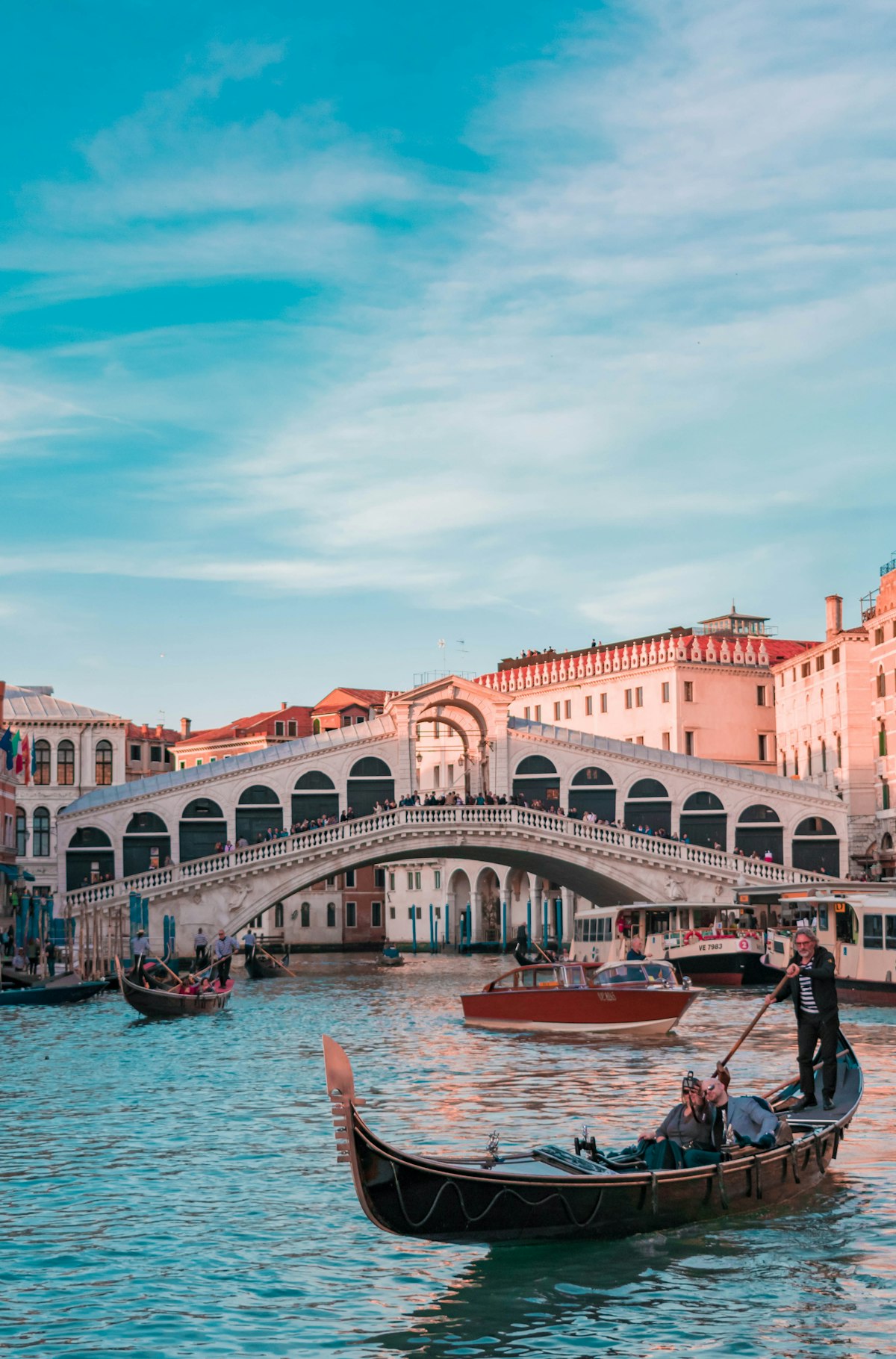
Daily cost breakdown for a trip to Italy. Accommodation, food, transport, and attractions by budget tier, plus the money-saving moves that actually work.
Daily Budget Summary
Italy costs vary sharply by city and season. Here's a realistic per-person, per-day breakdown across three tiers for a two-person trip sharing a room:
Budget (~€60–85/person/day): hostel dorms or cheap private rooms, supermarket lunches, one sit-down dinner, public transport, free/cheap attractions.
Mid-range (~€130–180/person/day): 3-star hotels or B&Bs, lunch at a trattoria, dinner at a mid-range restaurant, occasional taxi, most paid attractions.
Luxury (~€280–450+/person/day): 4–5-star hotels, two restaurant meals daily, private tours, business-class rail travel.
Accommodation Costs
Rome and Venice are Italy's most expensive cities for accommodation. Florence is close behind. Naples and Bologna are materially cheaper.
Rome (per night, double room): - Budget hostel (private room): €45–70 - 3-star hotel (central): €90–150 - 4-star hotel (central): €160–280
Venice: - Budget private room: €60–100 (Venice Island); €35–55 (Mestre, mainland) - 3-star hotel (island): €110–190 - 4-star hotel (island): €200–400
Florence / Milan: - Budget private room: €50–80 - 3-star hotel: €85–140
Prices spike 30–50% in July and August, and around Easter. Book 2–3 months ahead for spring travel.
Food and Drink
Italy rewards eating at the right places and dodges the tourist traps.
Budget eating (€15–25/person/day for meals): Bars serve cornetto (croissant) + espresso for €1.50–2.50 — the Italian breakfast. Lunch at a tavola calda (cafeteria-style) or buying from a panificio (bakery) keeps costs at €5–10. A pizza margherita at a no-frills pizzeria runs €7–10.
Mid-range eating (€40–70/person/day): A sit-down trattoria lunch with pasta + wine runs €20–30/person. Dinner at a mid-range restaurant with antipasto, primo, secondo, and wine: €40–55/person. Avoid restaurants adjacent to major tourist sites — prices are 30–50% higher for the same quality.
What to skip: tourist menus (menù turistico) near the Colosseum, Trevi Fountain, or San Marco. They're expensive and the food is poor. Walk one street back from any major attraction and prices drop significantly.
Transport
Between cities: Italy's Trenitalia and Italo high-speed trains connect Rome–Florence (1h 28min), Florence–Venice (2h 10min), and Rome–Naples (1h 10min). Book 30–60 days ahead for prices from €15–25 per leg. Last-minute booking on peak routes costs €45–80+.
Within cities: Rome's metro + buses cover most tourist routes. A 48-hour pass is €7. Taxis from Termini to the Vatican run €12–16. Venice has no cars — water buses (vaporetti) are €9.50 for a single ride or €25 for a 24-hour pass. If you're staying 2+ nights, the pass pays for itself quickly.
Rome airport (Fiumicino) to city center: Leonardo Express train is the fastest option (€14, 32 minutes to Termini). Taxis have a fixed rate of €50 to central Rome.
Attractions and Entry Fees
The Colosseum + Palatine Hill + Roman Forum costs €18 (combined ticket). The Vatican Museums + Sistine Chapel costs €21 online (more at the door — always pre-book). The Uffizi Gallery in Florence is €20. Most churches in Italy are free, including St. Peter's Basilica (Vatican Museum is separate).
The Roma Pass (€32 for 48 hours) covers unlimited public transport and one free museum entry — worth it if you're doing the Colosseum and using the metro heavily. Florence's Uffizi + Pitti + Boboli combo ticket is €38 and covers three major sites.
Free access: Most Italian state museums offer free entry on the first Sunday of every month. Check the MiC (Ministry of Culture) calendar before you go — it covers sites like the Colosseum and Pompeii.
Money-Saving Moves That Actually Work
- Stay slightly outside the center: Rome's Prati neighborhood (near the Vatican) and Trastevere offer lower prices than the Historic Center with easy access. In Venice, staying on Giudecca Island cuts prices 30–40% vs. San Marco.
- Buy a SIM card at the airport: Italian SIM cards (TIM, Windtre) cost €10–20 for 10–20GB. It's far cheaper than roaming charges and avoids the unreliable hotel Wi-Fi problem.
- Pre-book high-demand sites: The Colosseum, Vatican Museums, Uffizi, and Last Supper (Milan) sell out weeks in advance in peak season. Buying online also costs the same or less than the door price.
- Use the slow trains between short distances: On routes under 100km (e.g., Florence to Pisa, €8–10), regional trains cost a fraction of high-speed tickets and the time difference is under 30 minutes.
- Eat where Italians eat lunch: Set lunch menus (menù del giorno) at non-tourist trattorias run €12–15 for two courses including wine. The same restaurant charges 2x at dinner.