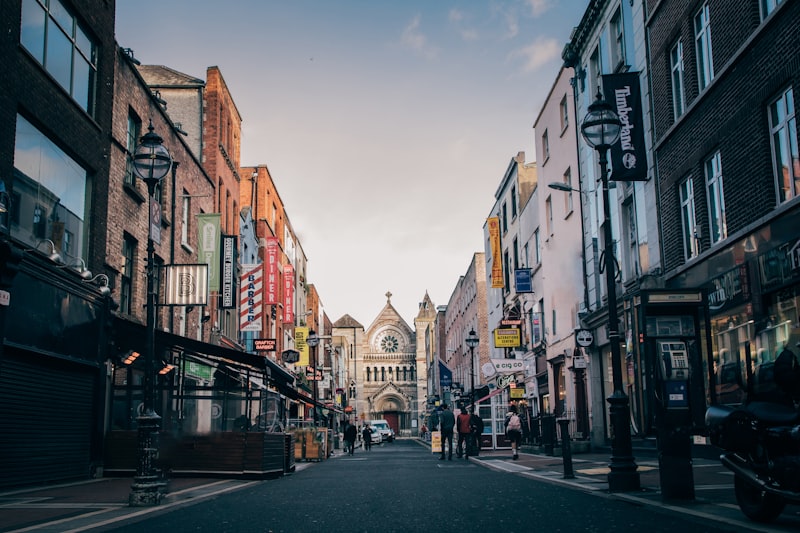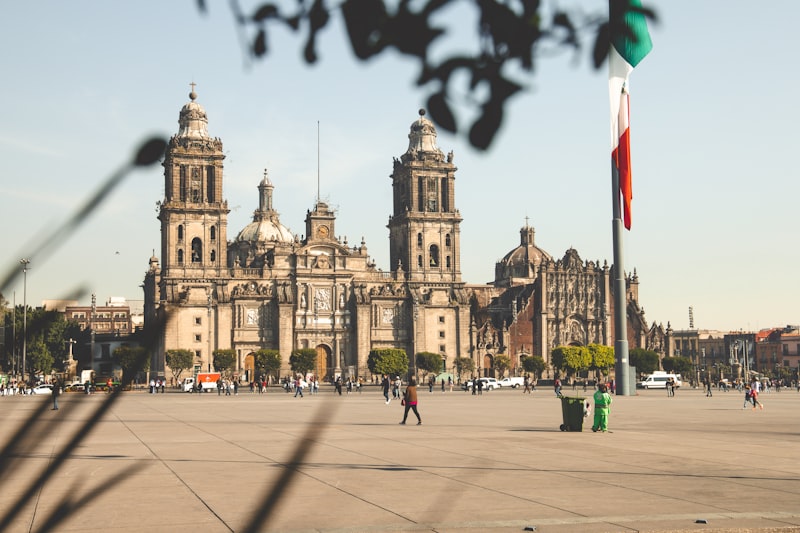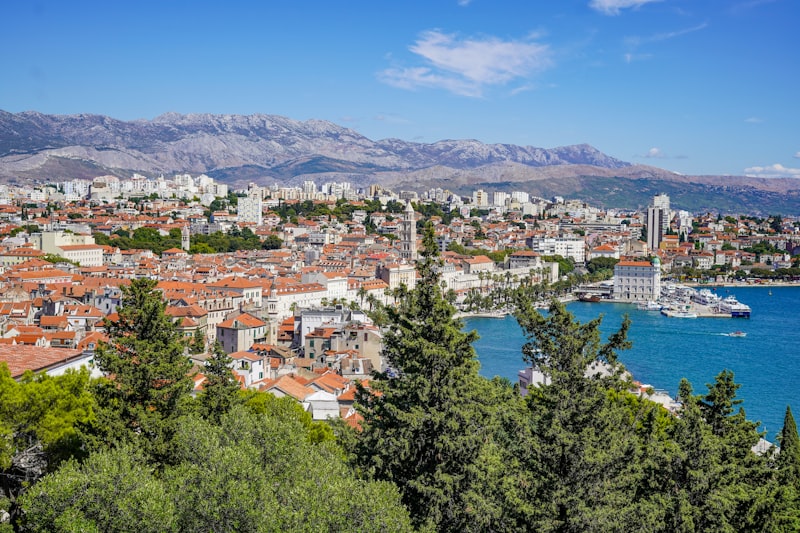

This history itinerary reshuffles the schedule around history activities — historic sites, UNESCO heritage, and ancient landmarks. A moderate mix of walking and active experiences, mostly at your own pace. Includes one must-see landmark across Zagreb and Split.
This 3-day Croatia itinerary follows the historical thread — 6 activities take you through ancient sites, monuments, and stories that shaped Zagreb and Split.
Your Route — ordered to minimize backtracking
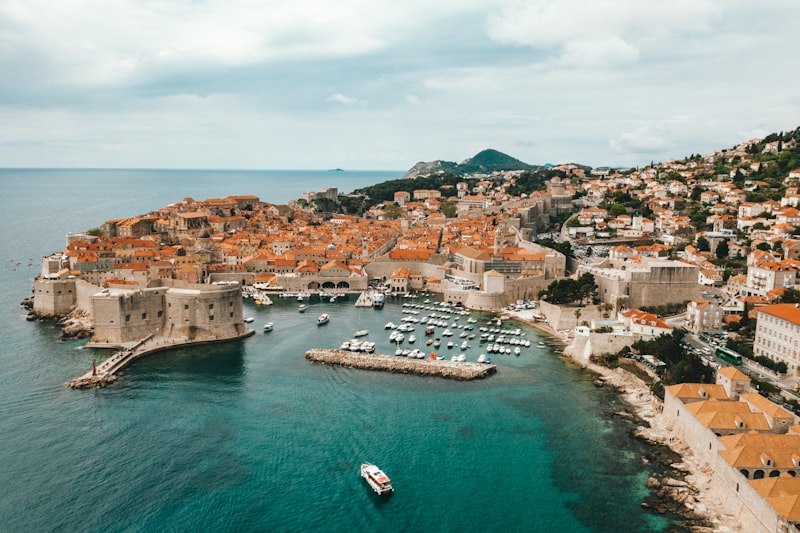
6+ activities scored and ranked · route optimized across 2 cities
Day-by-Day Schedule — heavy and light days alternate so you don’t burn out
Zagreb
ZagrebStroll the medieval Gornji Grad hilltop quarter, admire St. Mark's iconic tiled roof, and walk through Stone Gate (2h)
📍 Map
Marvel at the neo-Gothic twin spires of Croatia's tallest building and its medieval treasury and carved choir stalls (1h)
📍 MapDonji Grad / Kaptol / Gornji Grad
Split
Split
Wander the living 4th-century Roman emperor's palace where 3,000 people reside within ancient UNESCO-listed walls (2.5h)
📍 Map
Experience the atmospheric heart of Diocletian's Palace after dark when golden lamplight illuminates the 1,700-year-old columns (1.5h)
📍 MapDiocletian's Palace / Riva Promenade / Meje
Visit the dramatic hilltop fortress 13km from Split — a Game of Thrones filming location with sweeping Adriatic views (3h)
$11 Verified Mar 2026 Visit spring or autumn for the clearest panoramic views and comfortable temperatures on the exposed ridge 📍 Map
Tour the grand seaside villa and sculpture garden of Croatia's greatest sculptor Ivan Meštrović, filled with monumental works (2h)
$7 Verified Mar 2026 📍 MapDiocletian's Palace / Riva Promenade / Meje
Where You’ll Stay
Estimated total: $228–$342
Trip Budget Estimate
Estimates based on listed activity prices and hotel rates. Actual costs vary by season, availability, and personal spending.
Typical range for Croatia
$210 – $1,200 per person for 3 days
Similar Destinations
Similar vibes, fewer crowds — destinations our algorithm rates as close matches to Croatia.
🧳 Practical Info for Croatia
- Visa
- Schengen Area (since 2023) — visa-free for up to 90 days for US, UK, CA, AU citizens. EU/EEA nationals have freedom of movement.
- Tipping
- Round up or leave 10% at restaurants. Not expected but appreciated.
- Currency
- Euro (€ EUR, adopted 2023). Cards accepted in cities and tourist areas; carry cash for smaller islands and rural areas.
- Power
- 230V, Type C/F plugs. US travelers need an adapter.
- Connectivity
- SIM cards at airports and shops (A1, T-Mobile HR, Telemach). Good coverage along the coast; islands may vary.
- Emergency
- 112 (general emergency)
🚌 Getting Around Croatia
FlixBus and local operators connect Zagreb, Split, and Dubrovnik. Coastal routes are scenic but winding.
Jadrolinija ferries connect Split and Dubrovnik to the islands (Hvar, Korčula, Brač). Book summer sailings early.
Car rental ideal for Istria and Dalmatian coast. Highways have tolls (accept cards and cash).
Frequently Asked Questions
How much does a week in Croatia cost?
Budget: $70-100/day. Mid-range: $150-250/day. Luxury: $400+/day. Dubrovnik is the most expensive city; Split and the islands are more affordable.
What is the best time to visit Croatia?
May-June and September for warm weather and fewer crowds. July-August is peak season — Dubrovnik can feel overwhelmed with cruise ship visitors.
How do I travel between Croatian cities?
Catamaran ferries connect coastal cities and islands (Jadrolinija, Krilo). Buses are the main intercity transport on the mainland. No high-speed trains.