This nature itinerary reshuffles the schedule around nature activities — parks, scenic views, and outdoor activities. A moderate mix of walking and active experiences, mostly at your own pace. Includes 7 must-see landmarks across Tokyo and Kyoto and Osaka.
Highlights: Senso-ji Temple & Asakusa District, Tokyo, Arashiyama Bamboo Grove & Tenryu-ji Garden, Kyoto, Shibuya Scramble Crossing & Harajuku, Tokyo, Kinkaku-ji Golden Pavilion Temple, Kyoto, Meiji Jingu Shrine & Harajuku Walk
This 5-day Japan itinerary leads with nature and outdoor experiences — 2 activities feature parks, trails, coastlines, and natural landmarks across Tokyo, Kyoto, and Osaka.
Your Route — ordered to minimize backtracking
8+ activities scored and ranked · route optimized across 3 cities
Day-by-Day Schedule — heavy and light days alternate so you don’t burn out
Tokyo
Tokyo
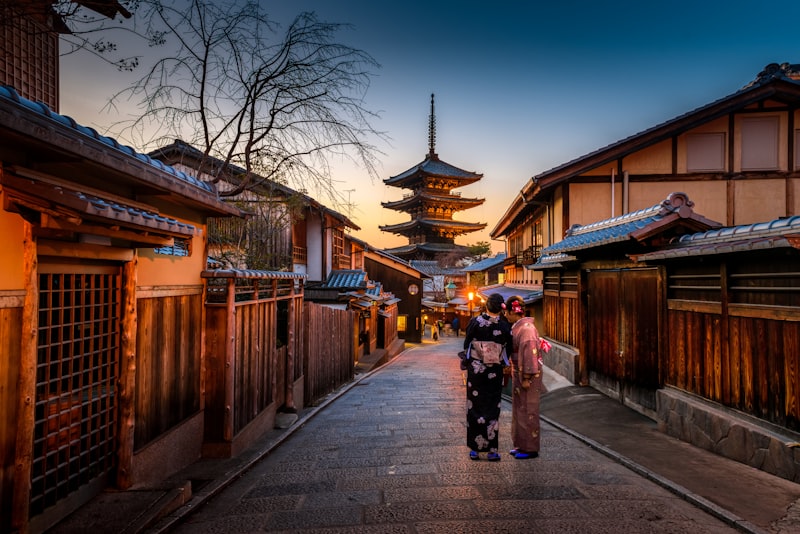
Walk through Kaminarimon gate and Nakamise-dori to Tokyo's oldest Buddhist temple, founded 645 AD
Cherry blossoms along Nakamise late Mar–early Apr; atmospheric at night year-round Book this experience → 📍 Map
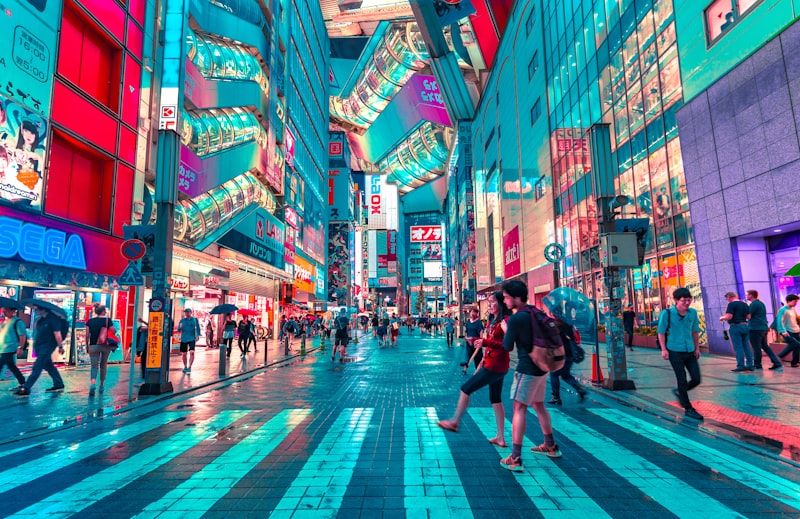
Stand at the world's busiest pedestrian crossing where up to 2,500 people cross every 2 minutes
Year-round; crossing most dramatic at dusk on weekdays Book this experience → 📍 MapShinjuku / Shibuya / Asakusa
Walk forested paths to Tokyo's grandest shrine, then browse Harajuku's fashion streets
Cherry blossoms Mar–Apr; vibrant foliage Nov 📍 Map
Ride the Romancecar train, cruise Lake Ashi, and soak in a mountain onsen 90 minutes from Tokyo
$41 Verified Mar 2026 Fuji clearest Oct–Feb; ropeway occasionally closed in high winds 📍 MapShinjuku / Shibuya / Asakusa
Kyoto
Kyoto
Walk a 500 m path through 20-meter-tall bamboo, then tour Tenryu-ji's UNESCO Zen garden
Cherry blossoms Mar–Apr; autumn foliage Nov; visit at dawn to avoid crowds 📍 Map
See the three-story gold-leaf pavilion reflected in Kyoko-chi pond at one of Japan's most photographed landmarks
$3 Verified Mar 2026 Iconic in winter snow Dec–Feb; spring cherry blossoms Mar–Apr 📍 MapKyoto Station / Gion / Higashiyama
Osaka
Osaka
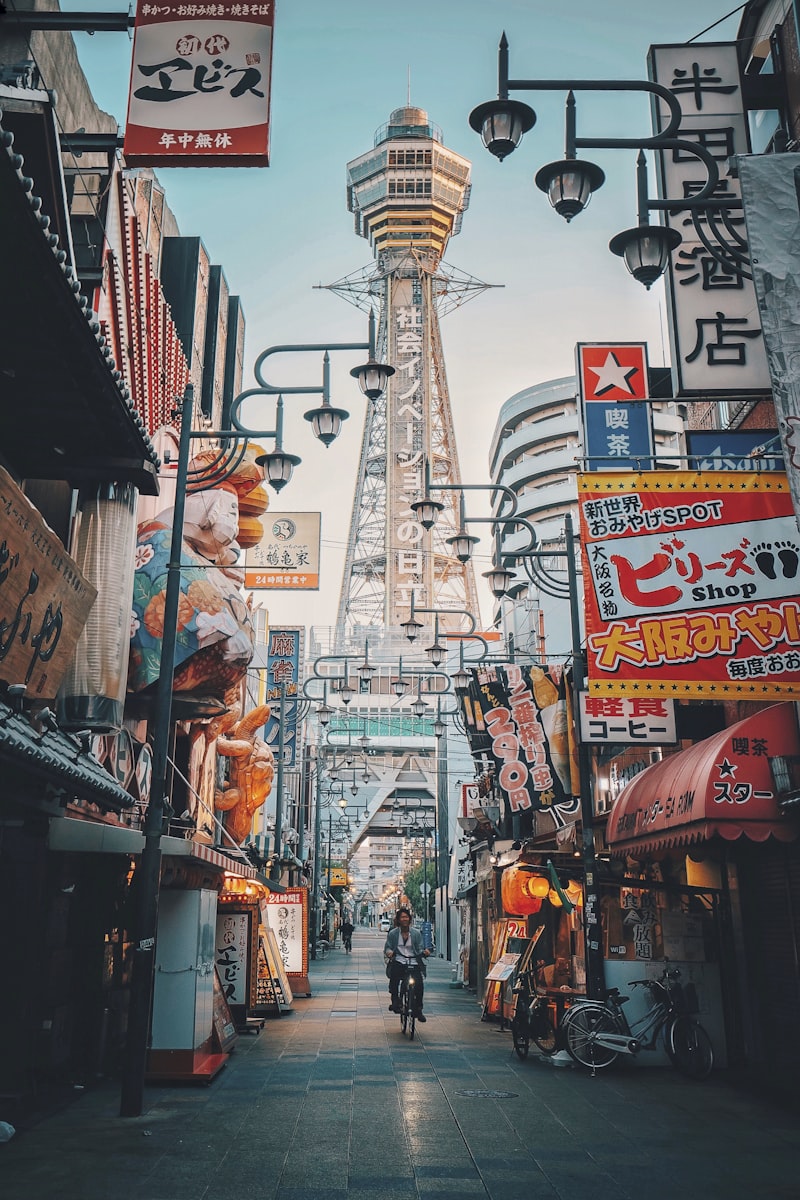
Eat takoyaki, kushi-katsu, and okonomiyaki along Osaka's iconic neon-lit canal entertainment strip
Year-round; most spectacular after dark when neon reflects in the canal 📍 MapWalk Osaka's retro 1950s working-class district of vintage neon, kushi-katsu bars, and the 103m Tsutenkaku Tower
$6 Verified Mar 2026 Year-round; most atmospheric at dusk when vintage neon illuminates the district 📍 MapNamba / Umeda / Shinsaibashi
Where You’ll Stay
Estimated total: $340–$510
Trip Budget Estimate
Estimates based on listed activity prices and hotel rates. Actual costs vary by season, availability, and personal spending.
Typical range for Japan
$400 – $2,000 per person for 5 days
Similar Destinations
Similar vibes, fewer crowds — destinations our algorithm rates as close matches to Japan.
Plan Your Trip
Practical guides to help you prepare for Japan.
Is Japan Safe?
Crime, scams, emergency numbers, and solo travel tips.
Before You Go
Visa, currency, SIM cards, and apps to download.
Culture Tips
Etiquette, key phrases, tipping, and dress codes.
Health & WiFi
Vaccinations, water safety, and connectivity options.
Best Time to Visit
Month-by-month weather, crowds, and events.
Getting Around Tokyo
Tokyo Food Guide
Getting Around Kyoto
Kyoto Food Guide
Getting Around Osaka
Osaka Food Guide
🧳 Practical Info for Japan
- Visa
- Visa-free for up to 90 days for US, EU, UK, CA, AU, and most Western countries. Other nationalities: check your nearest Japanese embassy.
- Tipping
- Not customary. Leaving tips can be considered rude in traditional restaurants. Exceptional service is simply the standard.
- Currency
- Japanese Yen (¥ JPY). Cash-heavy society — carry yen as many smaller shops and restaurants do not accept cards.
- Power
- 100V, Type A/B plugs. US devices work without adapter; EU/UK travelers need one.
- Connectivity
- Pocket WiFi rental recommended (available at airports). SIM cards sold at convenience stores and airport counters.
- Emergency
- 110 (police), 119 (ambulance/fire)
🚄 Getting Around Japan
A 7-day Japan Rail Pass (¥50,000 / ~$330) covers most bullet trains between Tokyo, Kyoto, Osaka, and Hiroshima. Buy online before arrival.
Tokyo Metro and Osaka Metro have day passes ($5-8). IC cards (Suica/Pasmo) work on all urban transit.
Budget carriers (Peach, Jetstar Japan) connect Tokyo to Sapporo and Okinawa for $50-100 one-way.
Frequently Asked Questions
Do I need a Japan Rail Pass for 7 days?
A 7-day JR Pass costs around $200 and covers most bullet trains between Tokyo, Kyoto, Osaka, and Hiroshima. It's worth it if you're visiting 3+ cities.
Is 7 days enough for Japan?
Yes — 7 days is ideal for Tokyo, Kyoto, and Osaka with a day trip. For Hokkaido or Okinawa, consider 10-14 days.
What is the best time to visit Japan?
Spring (March-April) for cherry blossoms and autumn (October-November) for fall colors are peak seasons. Summer is hot and humid; winter is great for skiing and onsen.
How much does a week in Japan cost?
Budget: $80-100/day. Mid-range: $150-250/day. Luxury: $400+/day. Japan is surprisingly affordable for food — world-class ramen costs $8-12.
Do I need a visa for Japan?
Citizens of the US, EU, UK, Canada, and Australia can visit visa-free for up to 90 days. Check your embassy for other nationalities.