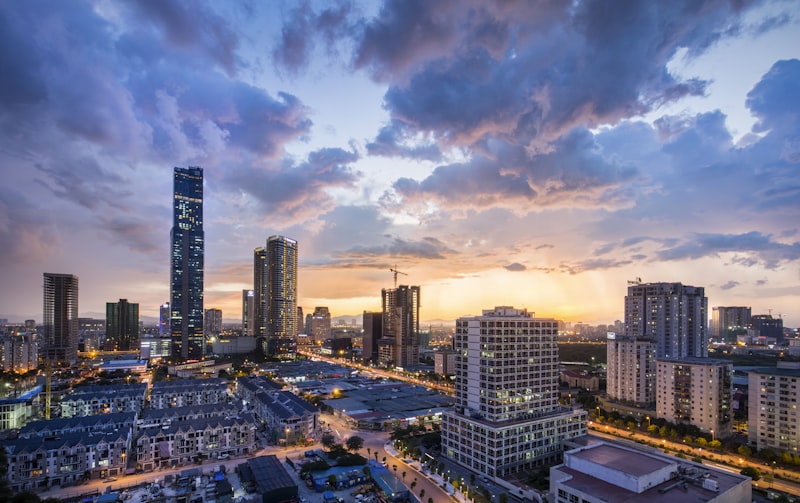
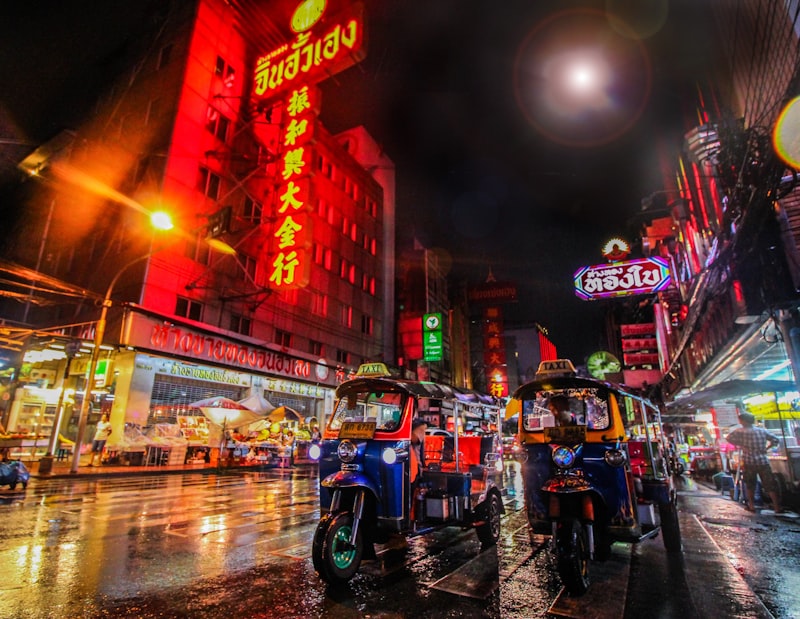
A mix of art & culture, history, and family friendly. A moderate mix of walking and active experiences, mostly at your own pace. Includes 2 must-see landmarks across Seoul and Busan and Gyeongju.
Highlights: Gyeongbokgung Palace & Hanbok Experience, Bulguksa Temple — UNESCO World Heritage, Haedong Yonggungsa — Seaside Buddhist Temple
Your Route — ordered to minimize backtracking
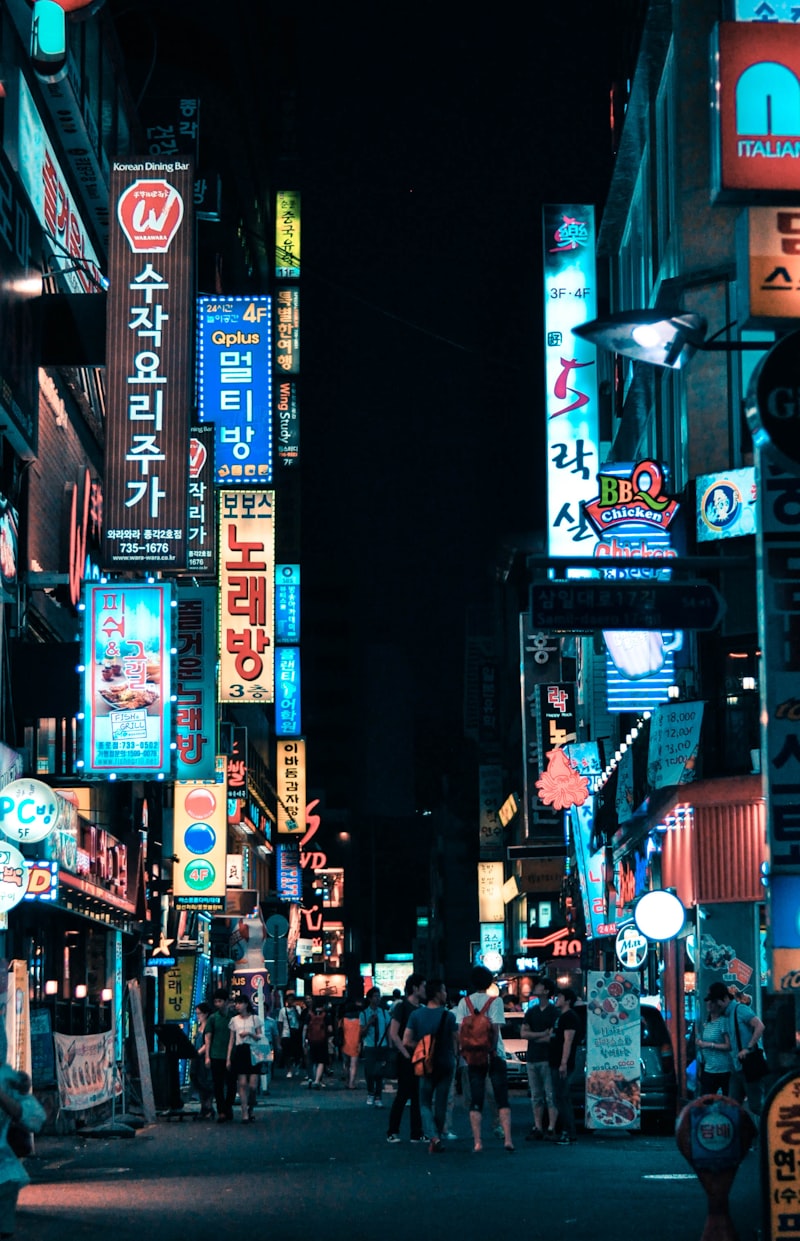
8+ activities scored and ranked · route optimized across 3 cities
Day-by-Day Schedule — heavy and light days alternate so you don’t burn out
Seoul
SeoulA free day to explore Seoul's neighborhoods, cafés, and hidden gems at your own pace

Grill galbi and samgyeopsal at a Mapo-gu table, then follow with milky makgeolli rice wine and pajeon pancakes (3h)
$25 Year-round; evening dining. Mapo KBBQ street is liveliest Thursday–Saturday. Restaurants are typically very busy after 7pm — arrive early or expect queues. 📍 MapMyeongdong / Jongno / Hongdae

Walk Seoul's grandest Joseon palace and watch the Royal Guard ceremony at 10am and 2pm (3h)
$2 Verified Apr 2026 Open year-round; spring cherry blossoms (late March–April) and autumn foliage (October) are peak. Palace closed Tuesdays. 📍 MapWalk the hillside lanes of Seoul's best-preserved hanok neighborhood between two royal palaces (1.5-2h)
Open year-round; autumn foliage (October) and spring (April) are most scenic. Tourist access restricted to 10am–5pm since January 2025. 📍 MapMyeongdong / Jongno / Hongdae
Busan
BusanDescend a cliff-side path to one of Korea's only coastal Buddhist temples, with pagodas above crashing East Sea waves (1.5–2h)
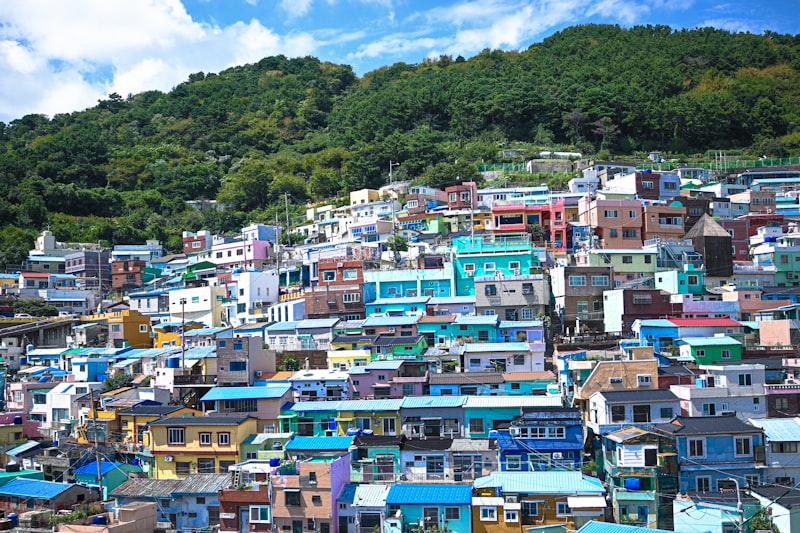
Year-round; spring cherry blossoms and the Buddha's Birthday lantern festival (April) are exceptional. Summer is hottest and most crowded. 📍 MapClimb Busan's pastel hillside art village — rainbow alleyways, murals, the iconic Little Prince viewpoint, and a ₩2,000 stamp trail map (2h)
Year-round; spring and autumn are ideal for the steep hillside walk. Summer (July–August) is very humid and busy — go early morning. 📍 MapHaeundae / Gwangalli / Seomyeon
Gyeongju
GyeongjuExplore Korea's supreme Silla-era Buddhist temple — seven National Treasures, twin pagodas, and a forested mountain setting (2–3h)
Year-round; cherry blossoms in April and crimson maples in October–November make for the most spectacular visits. 📍 MapWalk among 23 grassy Silla royal burial mounds in the city center — enter the open Cheonmachong tomb (1–1.5h)
$2 Year-round; cherry blossoms in April and autumn foliage in October make the park especially picturesque. 📍 MapGyeongju Downtown / Bomun Lake Resort
Where You’ll Stay
Estimated total: $232–$348
Trip Budget Estimate
Estimates based on listed activity prices and hotel rates. Actual costs vary by season, availability, and personal spending.
Typical range for South Korea
$300 – $1,750 per person for 5 days
Similar Destinations
Similar vibes, fewer crowds — destinations our algorithm rates as close matches to South Korea.
🧳 Practical Info for South Korea
- Visa
- K-ETA required for most visa-exempt nationalities (US, UK, CA, AU). Apply online before travel. 90-day stay.
- Tipping
- Not customary and not expected. Service charge may be included at upscale restaurants.
- Currency
- South Korean Won (₩ KRW). Cards and mobile payments accepted almost everywhere. T-money card for transit.
- Power
- 220V, Type C/F plugs. US travelers need an adapter and possibly a voltage converter.
- Connectivity
- Among the fastest internet in the world. Free WiFi widespread. SIM/eSIM at Incheon Airport.
- Emergency
- 112 (police), 119 (fire/ambulance)
🚄 Getting Around South Korea
KTX high-speed trains connect Seoul to Busan (2.5h) and Gyeongju. Korea Rail Pass available for tourists.
Seoul's subway is one of the world's best — clean, signed in English. Use T-money card.
Express buses connect all cities via modern terminals. Book on kobus.co.kr.
Frequently Asked Questions
Is South Korea expensive?
Moderate — cheaper than Japan for food and transport. Budget $70-100/day. Street food is excellent and cheap ($2-5 per meal). T-money cards cover all public transit.
What is the best time to visit South Korea?
September-November for fall foliage and pleasant weather. Spring (April-May) for cherry blossoms. Summer is hot and rainy (monsoon season June-August).
Do I need a visa for South Korea?
K-ETA (Korea Electronic Travel Authorization) required for most visa-exempt nationalities. Apply online before travel.